Jazz, Improvised and Popular Music: Ongoing PhDs

Stefan Lievestro c Gerard Groenendijk

Stefan Lievestro. Possibilities and Directions, a New Approach in Double Bass Improvisation
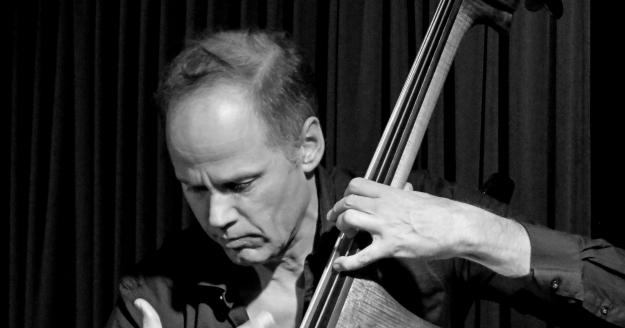
In free improvisation on double bass, the area in between functional contexts on the one hand and the creation of unconventional sounds by means of extended techniques on the other, remains largely unexplored. By means of investigating the structures and mechanisms in the free and modal improvisations of Herbie Hancock, and modifying these materials in accordance with the limitations and possibilities of the contrabass, Stefan aims at developing strategies and methods that should enable bassists to achieve a higher level of cohesive abstraction in the realm free improvisation. Free improvisation is very much about interaction and intuition, but the more readily available, practical information there is for intuition to work with – the larger the base of applicable knowledge – the deeper, richer and freer, personal expression in free improvisation will be.

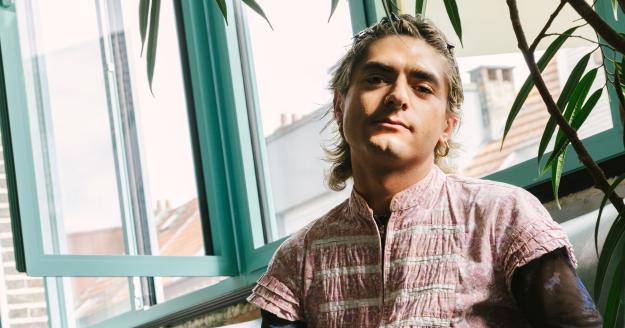
Luis Mora Matus

Luis Mora Matus. Metal-jazz: The use of contemporary progressive rock/metal practices to expand the contemporary jazz soloing idiolect

 

With the assimilation of pedal techniques developed by progressive metal drummers, this PhD research by Luis Mora aims to expand the expressive capabilities of drummers in the rhythmically complex context of contemporary jazz. To this end, the researcher works on three interacting fronts: the development of a new vocabulary for footwork in line with the jazz tradition; the incorporation of recent playing technique developments from progressive metal practice; and the expansion of the jazz drum kit with additional pedals.

Barbara Wiernik © Olivier Charlet

Barbara Wiernik. Contemporary vocal jazz: An artistic cartography of European encounters
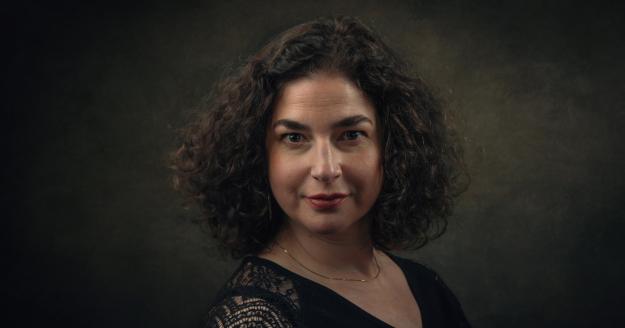
While American vocal jazz is well-established, European vocal jazz is still defining its unique identity. Since the 1970s, it has blended local influences with jazz traditions, resulting in a rich and diverse musical landscape. European singers have continually pushed boundaries by merging voices with instruments, exploring new sonic territories through improvisation, and adopting various distinctive techniques. This fusion not only enhances the local jazz scene but also contributes to the cultural diversity of vocal jazz on a global scale. As a musician and researcher, I employ an artistic practice-based approach. Through indepth encounters with singers and jazz historians, I delve into the evolving role of the jazz singer and the current trends shaping vocal jazz in Europe. This methodology allows me to uncover the dynamic innovations driving the genre forward.